

Passover All Over the World
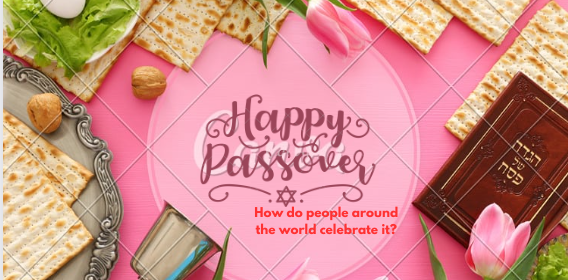
Passover is a very popular holiday for people of all races. Passover 2024 starts on the evening of Monday, April 22nd, and the second Passover seder takes place on the evening of Tuesday, April 23rd.This holiday symbolizes the importance of showing respect to the Hebrews’ liberation from slavery in Egypt and the “passing over” of the forces of destruction or the sparing of the firstborn of the Israelites.
According to Britannica, on the seven (or sometimes eight) days of Passover, all leaven, whether in bread or other mixture, is prohibited, and only unleavened bread, called matzo, may be eaten. Matzo is a symbol of respect to the Jewish people to reward them from their suffering while in bondage and the quickness when they left Egypt in the course of the Exodus. It shows that you don’t need bread or yeast to eat food.
Passover is sometimes considered as the “Festival of Unleavened Bread.” Although Passover is meant to be a great and rejoicing time, strict dietary rules must be followed. There are certain restrictions to follow while this time goes on. Many people celebrate Passover differently, so now let’s talk about what each country does and see if they are similar.
In Israel, Passover is a major holiday and many people take time off of work and school to observe the festivities. Families gather together for a special meal that includes symbolic foods and the retelling of the Exodus story. This is a time for unity and reflection called Seder.
Next is the United States. Jewish communities come together to celebrate Passover with their own unique traditions. The Seder is a central part of the celebration and is practically the same which is where families and friends gather together to read from the Haggadah which is a special book that guides the rituals spoken. Matzo, a type of unleavened bread, is a staple during Passover meals.
In Europe, Passover is celebrated in various ways depending on the community’s traditions. In some places, there are public Seders organized for people to join and celebrate together. Jewish communities in Europe also uphold the tradition of cleaning their homes to remove all traces of the Chametz, which is leavened products before Passover begins.
Next in Africa, Passover is celebrated by Jewish communities who have lived there for generations. They maintain a unique tradition while incorporating local flavors and ingredients in their Passover meals. It is a time for families to come together, share sentimental stories, and celebrate their heritage. This brings people together and can celebrate their traditions.
In South America, Passover is celebrated with great enthusiasm and appreciation. Families gather for Seder, which often includes traditional Jewish dishes as well as local delicacies. Passover songs and prayers are both celebrated in both Hebrew and the local language creating a vibrant and diverse celebration of all people.
In Asia, the Jewish community celebrates Passover in their own distinct ways. They adopt their traditions to the local culture, incorporating elements from the surrounding communities. Passover meals may include traditional Jewish dishes alongside local cuisine, creating a fusion of flavors and tradition.
Overall, Passover is a time of togetherness, remembrance, and celebration for Jewish communities all over the world. It is a time to reflect on the past, appreciate freedom, and look forward to a hopeful future. This holiday brings people together and makes sure you give remembrance to the people who suffered many years ago.
 Peak Student Media